What’s in a name? That which we call a rose By any other name would smell as sweet –William Shakespeare, Romeo & Juliet
Poulsen Roser is a family-owned Danish company world-famous for its breeding of distinctive rose varieties, for which it obtains patent and trademark protection. A lawsuit has been filed in the Southern District of Indiana involving their INGRID BERGMAN rose, a “unique currant red hybrid tea rose variety.” Poulsen owns a U.S. trademark registration for INGRID BERGMAN in connection with “live roses.”
The Defendants operate one of the U.S.’s largest wholesale rose growers, distributing flowers to garden centers, nurseries, and mail order outlets.
This lawsuit arises because the Defendants are allegedly producing, advertising, selling, and distributing unauthorized roses using the Poulsen’s INGRID BERGMAN mark. Further bibliographical information on the Defendants’ website about their “counterfeit” roses (see screenshot) might suggest to consumers that they are in fact authentic Poulsen roses.
Surely this situation can’t be as cut and dried as the Complaint (below) would imply. A large wholesale grower like the Defendants would certainly understand the implications of selling unauthorized rose varieties and know they couldn’t escape detection. We’ll have to stay tuned for their Answer and another possible side of the story.
Poulsen Roser A/S vs. Gardens Alive, Inc. et al.
Case Number: 4:21-cv-00113-SEB-DML File Date: Wednesday, July 14, 2021 Plaintiff: Poulsen Roser A/S Plaintiff Counsel: Louis T. Perry of Faegre Drinker Biddle & Reath LLP Defendant: Gardens Alive, Inc., Early Morning LLC d/b/a Weeks Roses Cause: Federal Trademark Counterfeiting, Federal Trademark Infringement, Federal Unfair Competion, Federal False Designation of Origin, Common Law Unfair Competition, Conversion, Theft Court: Southern District of Indiana Judge: Sarah Evans Barker Referred To: Debra McVicker Lynch
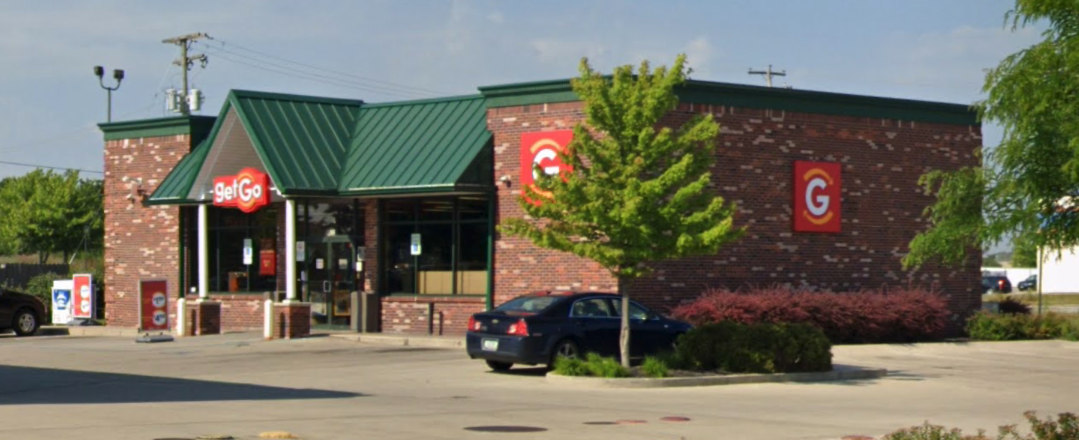
Giant Eagle is the owner of GETGO® convenience stores, with 269 locations, including four (4) stores in Fort Wayne, Indiana that were opened in 2018. Giant Eagle owns several U.S. trademark registrations for GETGO, claiming a date of first use of March 2003 for “Convenience store services, including fuel.”
The Defendants are the owners of three (3) retail convenience stores named GET 2 GO in Fort Wayne, Indiana. The Defendants own two U.S. trademark registrations for the GET 2 GO trademark, claiming a date of first use of June 2011. The Plaintiff has contemporaneously filed a Petition for Cancellation (see below) against the Defendants’ registrations.
The Plaintiffs sent communications to Defendants via counsel in February 2020 and April 2021. Per the Complaint (below), “Defendants, through counsel, indicated that they were ”simply not interested” in a business resolution or in discontinuing the use of the Infringing Marks.”
The Complaint doesn’t mention any instances of actual confusion.
Given the decade-long use of their own trademarks, coexisting peacefully with apparently no instances of consumer confusion, I’m not surprised that the Defendants have opted to stand their ground and not change their name. I’ll be interested to see the affirmative defenses and possibly counterclaims in the Defendants’ Answer. Stay tuned for updates on both the lawsuit and the cancellation proceeding.
Phoenix Intangibles Holding Company et al vs. Virk Brothers, LLC et al
Case Number: 1:21-cv-00263-HAB-SLC File Date: Friday, July 9, 2021 Plaintiff: Phoenix Intangibles Holding Company, Giant Eagle, Inc. Plaintiff Counsel: Anthony M. Eleftheri of Drewry Simmons Vornehm, LLC Defendant: Virk Brothers, LLC, Charanjit Singh Cause: Federal Trademark Infringement, Federal Unfair Competition, False Designation of Origin, Common Law Unfair Competition, Common Law Trademark Infringement Court: Northern District of Indiana Judge: Holly A. Brady Referred To: Susan L. Collins
Update 6/2/2021: I went to the grocery store today searching for Egg White Wraps and didn’t find any. Is this really a thing?
Here’s a fairly interesting trade dress lawsuit involving a food product I didn’t even know existed…egg white wraps. Apparently, egg white wraps were the “number one new product in dairy departments…in 2020” (see Complaint below). It begs the question, how many other new dairy products were released in 2020? Dairy product connoisseurs, please educate me in the comments below.
As general information, “trade dress” comprises the characteristics of the visual appearance of a product or its packaging that signify the source of the product to consumers. However, if trade dress is “functional,” meaning the characteristics are “essential to the use or purpose of the article or if it affects the cost or quality of the article,” it cannot serve as a trademark. See TMEP 1202.02(a).
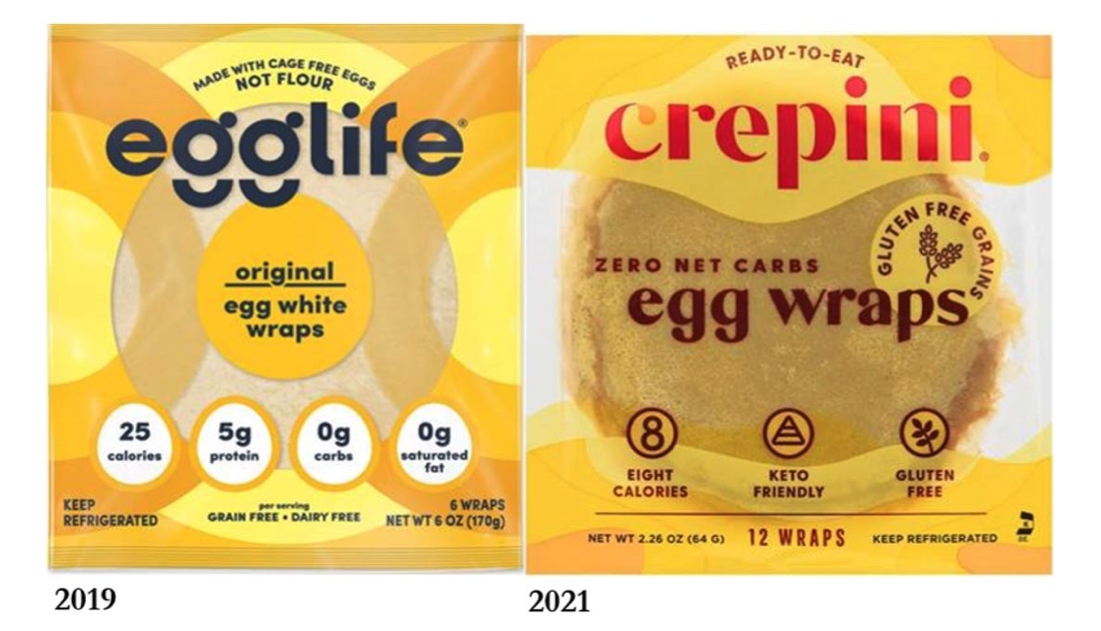
The Plaintiff in this lawsuit, Egglife, is accusing the Defendant, Crepini, of adopting packaging that is too similar to their own egg white wrap packaging.
Here are the specific elements that the Plaintiff consider to be their own protectable trade dress:
a. Interwoven and overlapping shapes with rounded rather than squared edges that weave in and out of the front of the package
b. The interwoven and overlapping shapes with rounded rather than squared edges are comprised of different, yellow-based colors
c. Transparent center window with overlaid graphics
d. Prominent display of “egg white wraps” in the center of the transparent window in the center of the front of the package
e. Lowercase “egglife”brand straight across the upper quarter of the front of the package
f. Smaller arched text centered over the “egglife” brand near the top of the front of the package
g. All capitalized“KEEP REFRIGERATED” text at bottom of the front of the package
h. Lowercase “egglife”brand straight across the upper quarter of the front of the package
i. Smaller arched text centered over the “egglife” brand near the top of the front of the package
j. All capitalized “KEEP REFRIGERATED” text at bottom of the front of the package
As mentioned above, I’m certainly no expert on egg white wrap packaging, but I have been in a grocery store before, and some/most of the above characteristics seem pretty standard for all types of food products. Food marketers please weigh in below, but many of these characteristics seem almost necessary, i.e. functional, given the limited packaging size for a small food product.
However, the Complaint highlights frequent changes to the Defendant’s packaging from early 2018 up to the 2019 rebrand to the current allegedly infringing packaging, of which the Defendant’s packaging now supposedly copies the characteristics of Plaintiff’s packaging:
a. Interwoven and overlapping shapes with rounded rather than squared edges b. The interwoven and overlapping shapes with rounded rather than squared edges are comprised of nearly identical yellow-based colors c. Transparent center window with overlaid graphics d. Lower case brand straight across the upper quarter of the packaging e. Smaller arched text centered over the top of the brand near the top of the packaging f. Abandoned trademarked EGG THINS in favor of “egg wraps” g. Abandoned the long-used CREPINI Iand crown design trademark in favor of lowercase font across the top of the packaging h. Added “Keep Refrigerated” messaging in all capital letters to the bottom of the packaging
As an unsophisticated egg white wrap consumer, both packagings frankly appear to me just like many other packagings in a grocery store. I’m reminded of flour tortilla packaging. Due in large part to FDA labeling requirements, food producers/marketers have to pack a lot of functional information about a product into a very small space. The use of the colors yellow and white in connection with an egg product seem to be almost a requisite. A transparent center window allowing a consumer to examine the food product seems highly necessary.
The Complaint does include some very limited evidence of instances of actual confusion by Costco consumers posting on Facebook. Considering the type of people that feel a need to post on social media about their Costco purchases, I’m not sure whether I’d consider those to be “significant” instances of confusion. However, they do exist and add an extra wrinkle to the lawsuit and Crepini’s possible defenses and responsibility to avoid consumer confusion.
This trade dress lawsuit will be interesting to follow. Stay tuned for updates.
Egglife Foods, Inc. v. Crepini, LLC
Case Number: 3:21-cv-00388 File Date: Friday, May 28, 2021 Plaintiff: Egglife Foods, Inc. Plaintiff Counsel: Louis T. Perry, David R. Merritt of Faegre Drinker Biddle & Reath LLP Defendant: Crepini, LLC Cause: Trade Dress Infringement, False Designation of Origin, Common Law Unfair Competition, Deception Court: Northern District of Indiana Judge: Jon E. DeGuilio Referred To: Michael G. Gotsch, Sr.
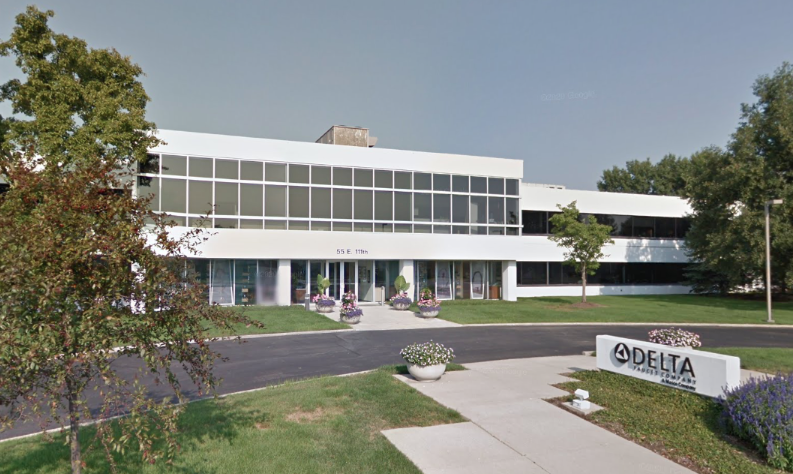
Delta Faucet Company is going after Russian counterfeit faucet sellers in the Southern District of Indiana. In a lengthy and well-drafted Complaint (below), the Plaintiff details how a company’s trademarks are impacted by negative online marketplace reviews and unauthorized sellers. The lawsuit potentially exposes a gray market existing within Amazon’s “Fulfillment by Amazon” services that allows for counterfeit sales, leading to invalid product warranties, disgruntled consumers, and a damaged brand.
This lawsuit, along with Delta’s upgraded authorized seller policies (described in the Complaint), could serve as a good model for other companies dealing with online counterfeits. Although I predict the individual counterfeiters will simply disappear to continue on behind other aliases, Delta is likely more interested in getting an injunction to prevent further Amazon sales, setting precedent against counterfeiters and possibly allowing them to address the numerous unearned negative product reviews.
Stay tuned for updates.
Delta Faucet Company v. Iakovlev et al.
Court Case Number: 1:21-cv-00733-JRS-TAB File Date: March 25, 2021 Plaintiff: Delta Faucet Company Plaintiff Counsel: Louis T. Perry of Faegre Drinker Biddle & Reath LLP Defendant: Dmitrii Iakovlev, John Does 1-10 Cause: Federal Trademark Infringement, Federal Unfair Competition, Common Law Trademark Infringement, Common Law Unfair Competition, Indiana Crime Victim’s Relief Act, Deception Court: Southern District of Indiana Judge: James R. Sweeney II Referred To: Tim A. Baker
The Plaintiff in this trademark lawsuit, Vroom, is an online nationwide used car retailer based in New York, New York. own 8 U.S. trademark registrations for VROOM and the Vroom Logo, using the marks since at least 2014. The Plaintiff’s domain name is http://www.vroom.com.
The Defendants operate Vrooomsace, a used car retailer located in Indianapolis, Indiana. The Defendants’ use the domain name vrooomcars.com.
Asserting a likelihood of confusion, Plaintiff’s counsel first attempted to contact the Defendants on December 30, 2020, but apparently has received the runaround ever since, never receiving a substantive response from Defendants.
Their patience apparently has run out, resulting in this lawsuit. We’ll see whether Plaintiff finally gets a response. Unfortunately, often it takes a filed complaint for the opposing party to take a matter seriously. If not, this lawsuit could wind up with a default judgment.
Stay tuned for updates.
Vroom, Inc. v. Midwest Motors LLC et al.
Court Case Number: 1:21-cv-00715-TWP-TAB File Date: March 24, 2021 Plaintiff: Vroom, Inc. Plaintiff Counsel: David A.W. Wong, Caitlin R. Byczki, Kathleen S. Fennessy of Barnes & Thornburg LLP Defendant: Midwest Motors LLC dba Vrooomsace Car Selection, Khaled Alragwi Cause: Federal Trademark Infringement, Federal Unfair Competition, False Designation of Origin, Common Law Unfair Competition, Common Law Trademark Infringement, Anticybersquatting Consumer Protection Act Court: Southern District of Indiana Judge: Tanya Walton Pratt Referred To: Tim A. Baker






 Indiana Intellectual Property Blog